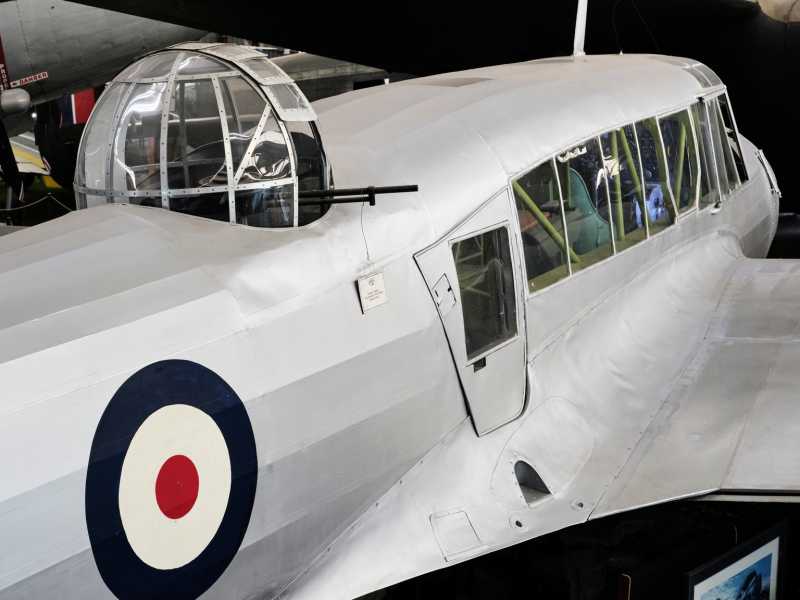
Avro Anson: WWII Aircraft, RAAF Legend & Restored Icon
The Anson was built to British Air Ministry Specification 18/35 and is reputed to be the first British monoplane to have a retractable undercarriage.
The Aviation Heritage Museum’s collection includes many aircraft, some commemorating the efforts of Australian airmen in the defence of the country, some reminding us of the long history of aviation in Australia. Below are just a few of our main attractions with many more aircraft on display.
The Anson was built to British Air Ministry Specification 18/35 and is reputed to be the first British monoplane to have a retractable undercarriage.
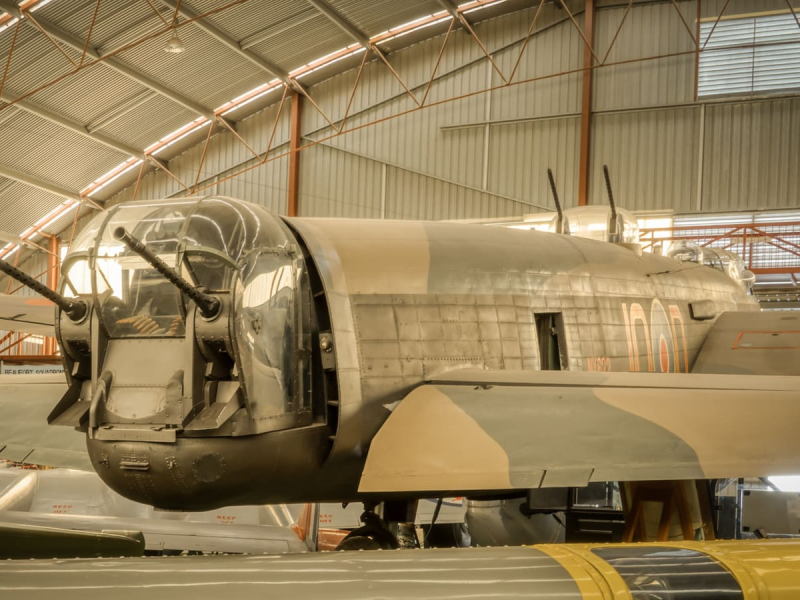
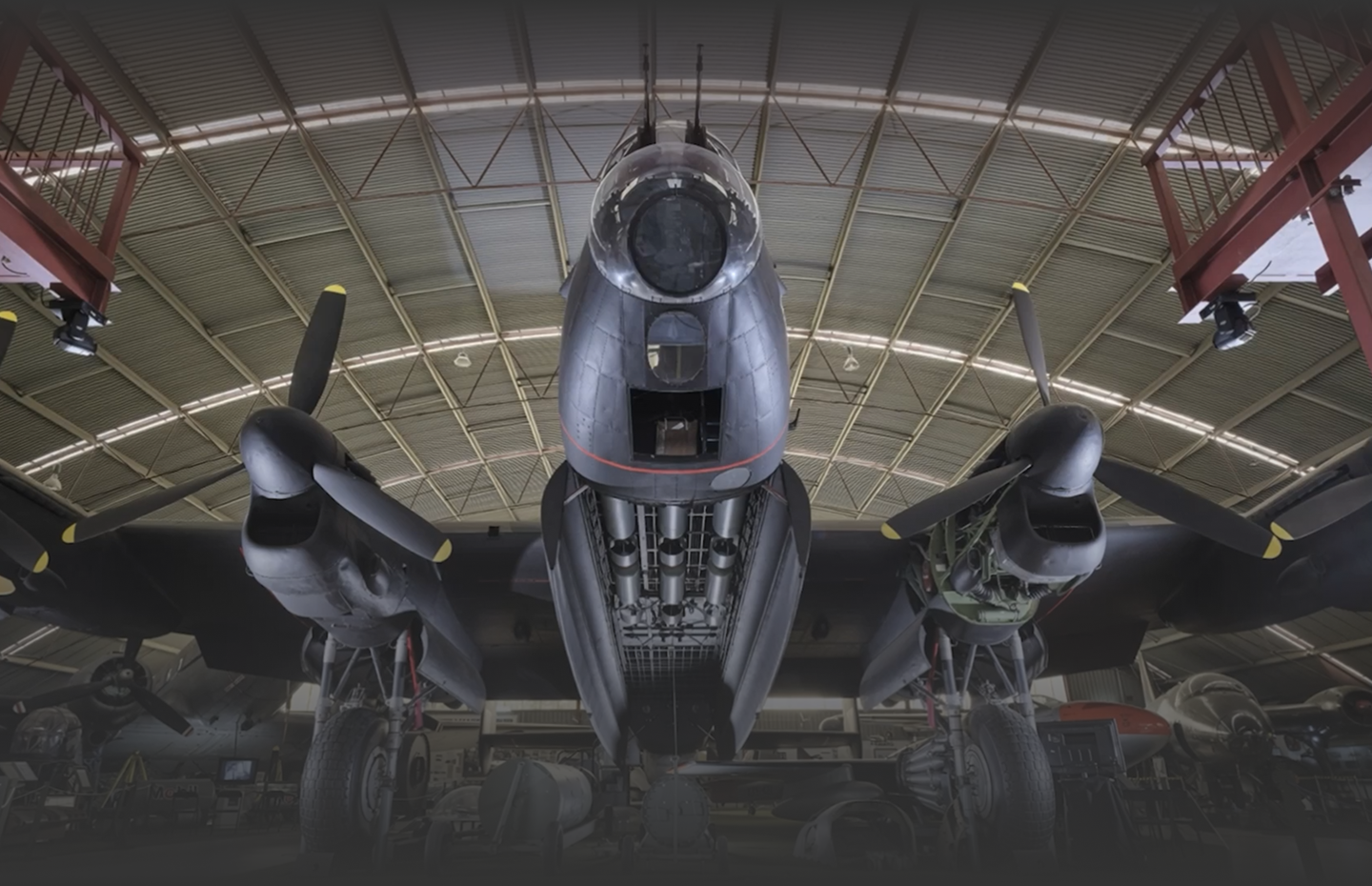
The Avro Lancaster or "Lanc" or "Lankie" as it became affectionately known became the most famous and most successful of the Second World War night...
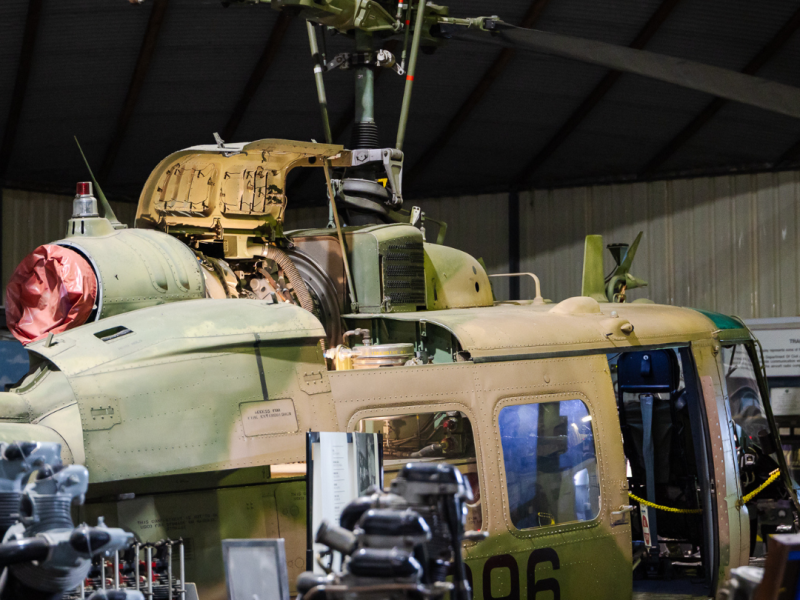
Few aircraft are as instantly recognisable as the Bell UH-1H Iroquois. Known universally as the Huey helicopter. Its thumping rotor blades, sliding side doors and tough silhouette became a symbol of mobility and rapid response from the Vietnam War onwards.
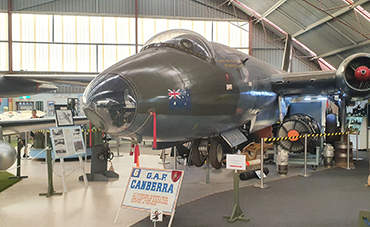
The arrival of the Canberra Mk.20 marked a decisive shift in Australian military aviation. Built locally and flown on active operations overseas, it represents both technological progress and the people who operated it during a period of global change.
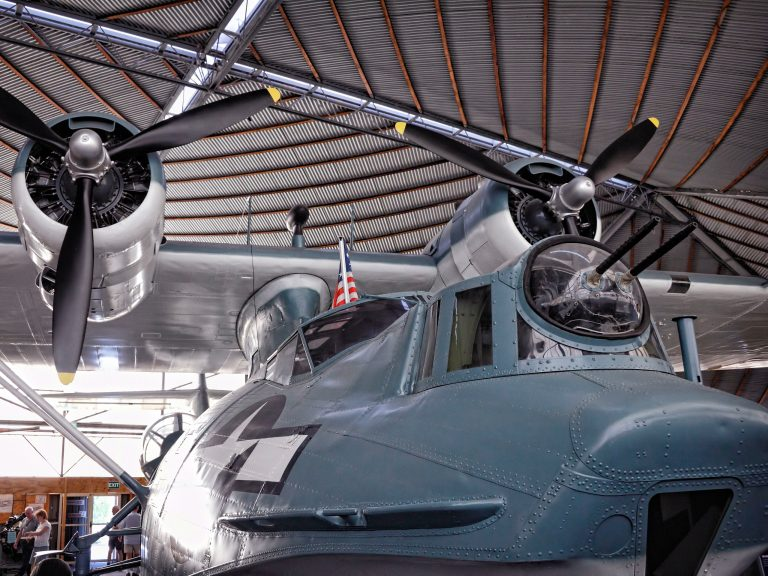
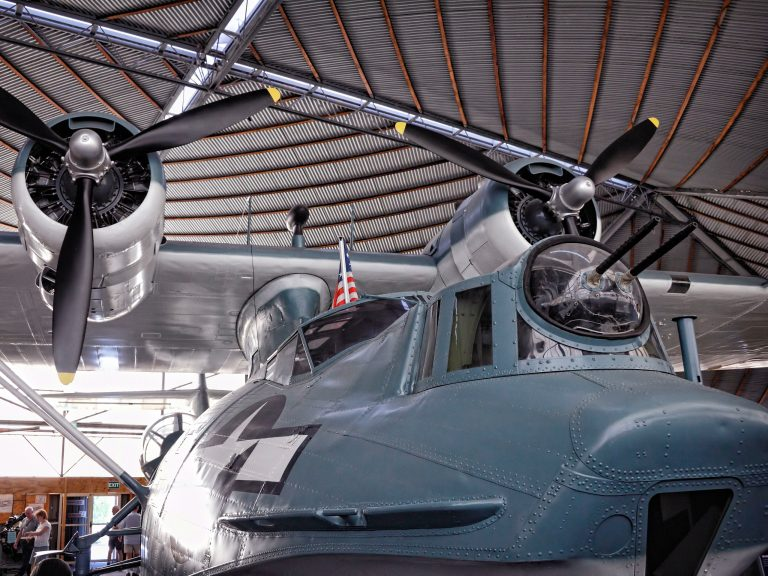
What kind of aircraft could fly for 30 hours straight, land on water and carry out missions that no other aircraft could? The Consolidated PBY Catalina wasn’t built for glamour or speed, but it became one of the most important aircraft of World War II. With its long range and amphibious design, it flew across remote oceans on patrol, dropped mines in enemy waters and rescued downed crews from the sea.
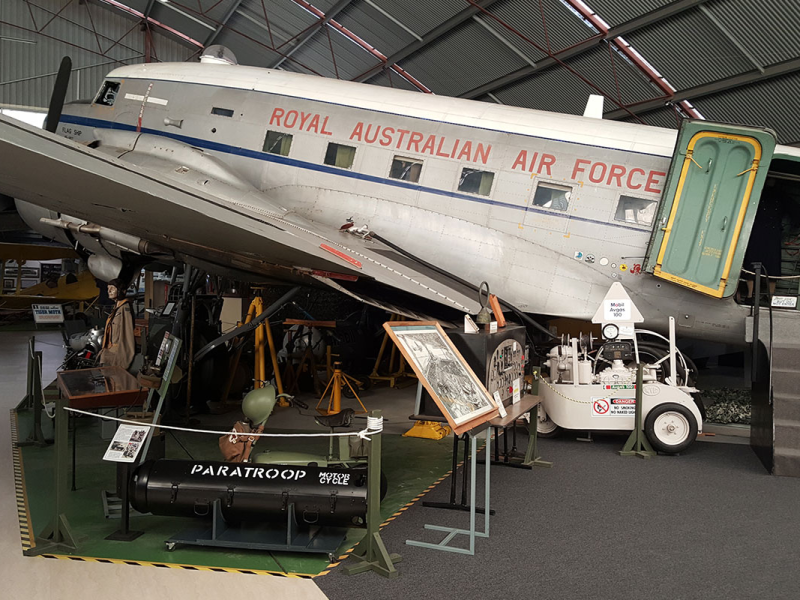
Have you ever stood beneath the wings of history and felt its presence? At the Aviation Heritage Museum, the C-47 Dakota gives you that rare chance.
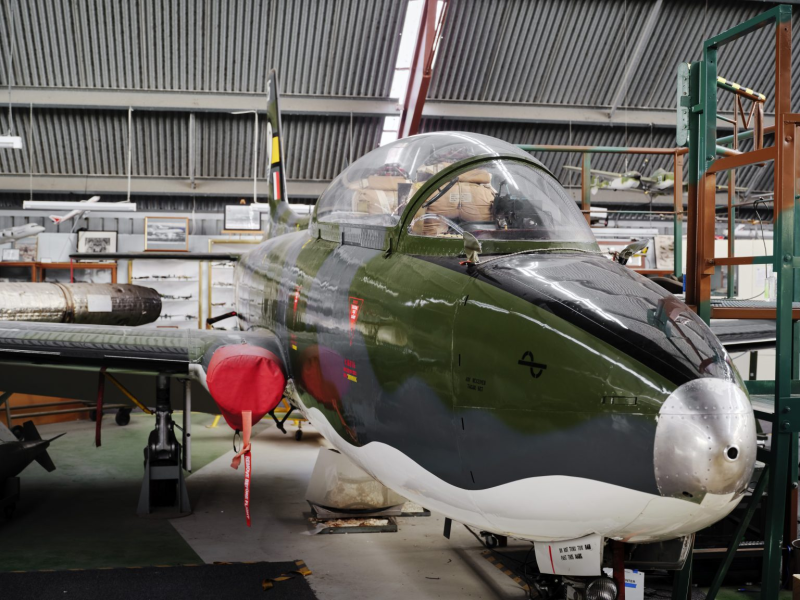
The MB-326H introduced a new era of jet-powered training for the Royal Australian Air Force (RAAF). Fast, reliable and purpose-built for pilot development, it became the backbone of advanced flight instruction across Australia from the late 1960s to the early 2000s.
Few aircraft are more closely tied to a nation’s survival than the Supermarine Spitfire. During the Battle of Britain, it became a symbol of defiance in the face of overwhelming odds: fast, agile and fearlessly flown against waves of Luftwaffe attacks.
The Tornado GR4 combined twin-engine performance, variable-sweep wings and advanced mission systems to become one of the Royal Air Force’s most capable modern strike aircraft.
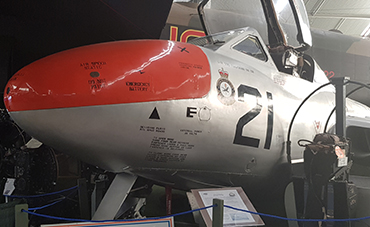
The Vampire was the second jet aircraft to enter RAF service, just one month before the end of World War II in Europe, and as a result did not see active service...
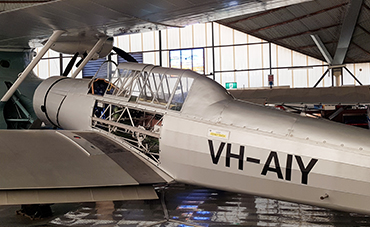
The Museum is home to an original Spitfire, as well as a replica. The original, a Mark 22, PK481, entered service with the RAF on September 3, 1945, and served with...
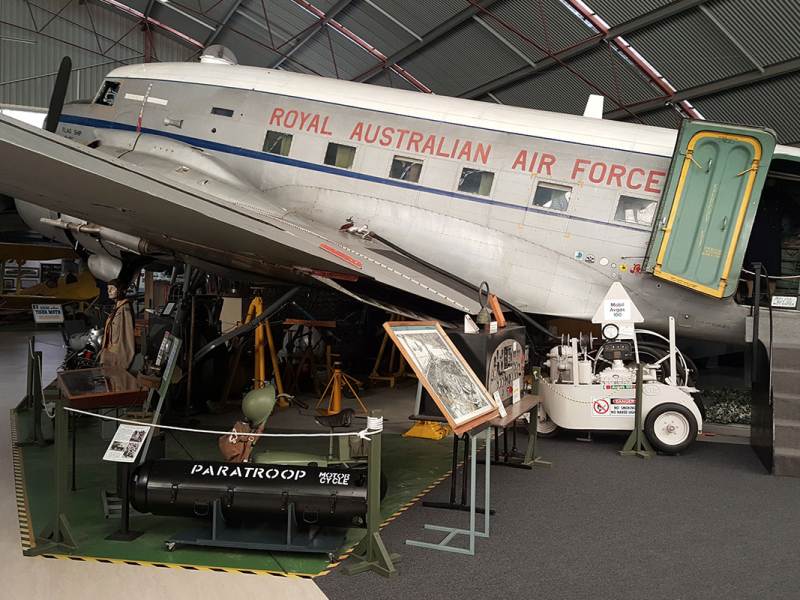
Wirraways were mainly operated as advanced trainers during World War II, but in the early stages of the Pacific war, some saw action against Japanese fighters...
Welcome to our hub for learning more about the rich history of aviation. Explore informative articles, historical insights, and reference materials designed to deepen your understanding of the Aviation Heritage Museum collection and the stories behind the aircraft.