


Panavia Tornado GR4: Australia’s Only RAF Strike Aircraft
The Tornado GR4 combined twin-engine performance, variable-sweep wings and advanced mission systems to become one of the Royal Air Force’s most capable modern strike aircraft. Built for speed, adaptability and precision, crews used the Tornado jet for low-level strike missions, reconnaissance operations and precision attacks across nearly four decades of frontline service.
Today, the Panavia Tornado GR4 on display at the Aviation Heritage Museum is Australia’s only example of the aircraft and the only Tornado officially gifted by the Royal Air Force for public display outside the United Kingdom.
A Legendary Aircraft of the Second World War
The Panavia Tornado emerged from a collaborative programme between the United Kingdom, West Germany and Italy during the Cold War. NATO required an aircraft that could fly deep into defended airspace, strike targets behind enemy lines and operate effectively in highly contested environments. The result was a fast, adaptable strike aircraft that could perform a wide range of missions while carrying advanced weapons and mission systems.
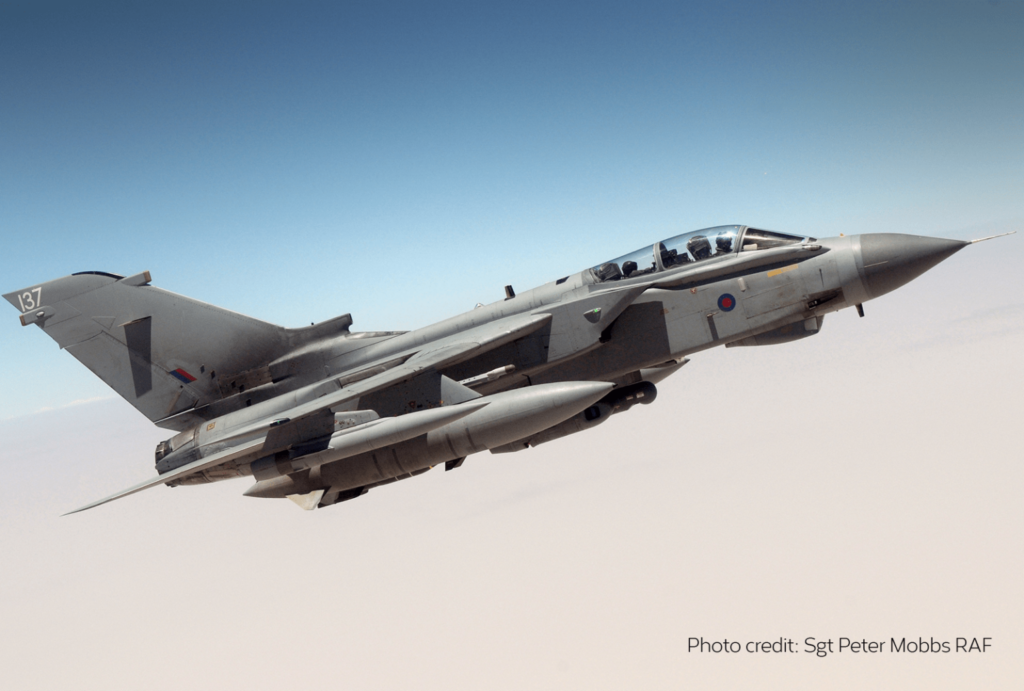
One of the aircraft’s most distinctive features was its variable-sweep wing design. With the wings extended, the Tornado achieved better handling during takeoff and landing. When swept back, the aircraft could fly at much higher speeds. This flexibility allowed crews to adapt to different mission requirements and became a defining characteristic of the aircraft throughout its service life.
Over time, several Panavia Tornado variants entered service. The GR1 served as the original strike platform, and the Panavia Tornado GR4 became the final and most advanced operational evolution. The upgrade introduced improved navigation systems, GPS integration, upgraded cockpit displays, forward-looking infrared sensors and enhanced precision weapons capability.
Inside the Tornado GR4 cockpit, successful missions depended on teamwork. The pilot flew the aircraft while a navigator and weapons systems officer managed targeting, navigation and mission systems from the rear seat. The Tornado GR4 flew its last operational sortie on 31 January 2019 and was formally retired from the RAF on 1 April 2019, which was the 101st anniversary of the Royal Air Force. Following the retirement, it remains recognised as the most capable version ever fielded by the RAF.
Tornado GR4 Specifications
The Tornado fighter plane combined speed, range and advanced strike capability to become one of the RAF’s most effective modern combat aircraft.
- Manufacturer: Panavia Aircraft GmbH
- First Flight: 14 August 1974
- Service Entry: 1979
- Crew: 2 (Pilot and Navigator/Weapons Systems Officer)
- Engines: 2 × Turbo-Union RB199 turbofan engines
- Length: 16.72 metres
- Wingspan: 13.91 metres (extended) / 8.60 metres (swept)
- Height: 5.95 metres
- Tornado GR4 Top Speed: Mach 2.2 (approximately 2,400 km/h)
- Service Ceiling: 15,240 metres
- Type: Twin-engine, variable-sweep wing strike/attack aircraft
- Retired from RAF service: 1 April 2019
- Combat Radius: Approximately 1,390 kilometres
- Armament: Paveway IV, Brimstone, Storm Shadow, ALARM and internal 27 mm Mauser cannon
The Tornado GR4 in Combat
For nearly four decades, the RAF Tornado GR4 formed the backbone of British strike operations, serving across multiple conflicts as mission requirements evolved from Cold War planning to modern precision warfare. Designed to penetrate heavily defended airspace, the aircraft quickly established itself as a versatile platform capable of operating in demanding combat environments.
During the 1991 Gulf War, the Panavia Tornado Gulf War missions became some of the aircraft’s most challenging operations. Crews flew low-level attacks against Iraqi airfields, radar sites and military infrastructure, often at high speed and under significant threat from enemy defences. These missions demonstrated both the aircraft’s capabilities and the skill required to operate it effectively.
As NATO operations expanded into Bosnia and Kosovo, the Panavia Tornado RAF fleet adapted to a growing precision strike role. Later deployments during Operation Telic in Iraq introduced increasingly sophisticated guided weapons, while Operation Herrick in Afghanistan (2009–2014) saw Tornados from seven RAF squadrons operating from Kandahar Airfield provide reconnaissance and close air support to coalition forces on the ground.
In the aircraft’s final years of service, the Tornado aircraft RAF fleet participated in Operation Shader (2014–2019) across Iraq and Syria, conducting missions against Islamic State targets. The retired Tornado GR4 on display at the museum comes from the same RAF fleet that served across these campaigns, representing the aircraft and crews that operated in combat from the Gulf War through to the type’s final operational deployments.
Squadron Leader Martin Keer, who flew ZG791 over Iraq in 2001, later recalled coming under anti-aircraft fire during patrol operations. Stories like these remind us that the aircraft preserved today represent living military history shaped by real crews, real missions and real-world service.
How the Tornado GR4 Came to Perth
The arrival of the Tornado GR4 in Western Australia reflects a long-standing aviation relationship between Australia and the United Kingdom. Following the First World War, Britain gifted military aircraft that contributed to the formation of the Royal Australian Air Force. More than a century later, the donation of the Panavia Tornado to the Aviation Heritage Museum has been viewed as a modern continuation of that shared aviation heritage.
The official handover took place in 2022, with Wing Commander Erica Ferguson representing the Royal Air Force. The museum was selected to receive the aircraft due to its significant collection of RAF and military aviation history, including aircraft that already tell earlier chapters of the RAF story.
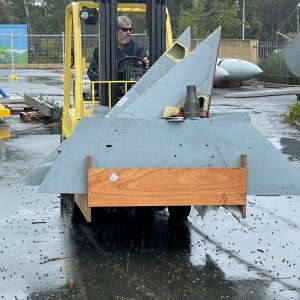
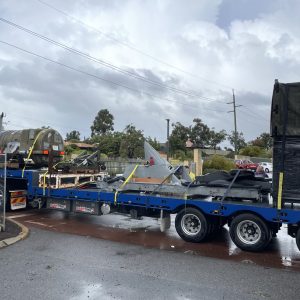
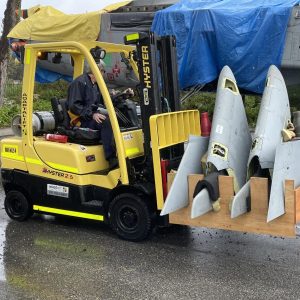
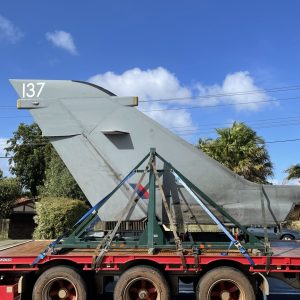
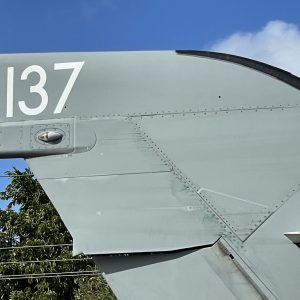
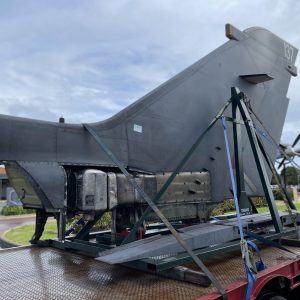
Bringing the Tornado to Perth required a major logistical effort. The aircraft was disassembled in the United Kingdom, shipped to Western Australia and transported from RAAF Base Pearce by semi-trailers. A 100-tonne crane assisted with the move before a seven-member team from the RAF Joint Aircraft Recovery and Transportation Squadron (JARTS) reconstructed the aircraft on site.
See the Tornado GR4 at Aviation Heritage Museum
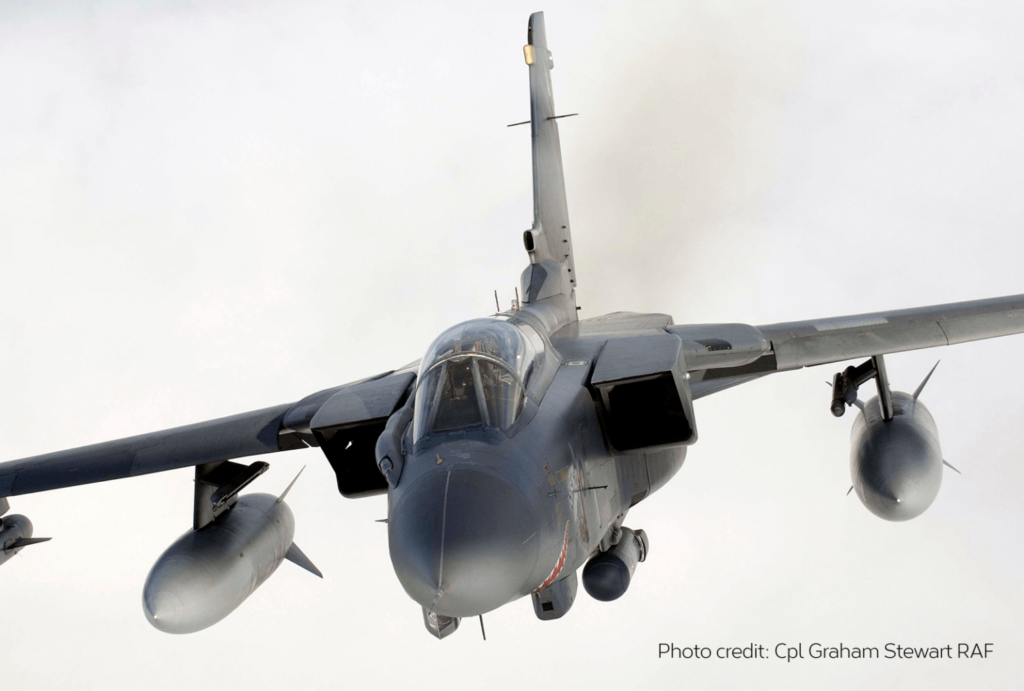
The first thing many visitors notice about the Tornado GR4 aircraft is its purposeful design. From the swept wings and large engine intakes to the tandem cockpit and underwing hardpoints, every feature reflects the aircraft’s role as a modern strike platform. Standing beside the aircraft also reveals its scale and proportions in a way that photographs rarely capture.
The Tornado plane forms part of a broader story of RAF and military aviation at the Aviation Heritage Museum. Visitors can also explore other aircraft in our collection, like the Lancaster, Spitfire and Dakota, which represent different eras of military aviation history.
The Aviation Heritage Museum is located at Bull Creek, Western Australia. The Tornado GR4 is displayed within the museum’s main exhibition space and can be viewed during normal opening hours. For current admission information, opening times and special events, please visit the museum reception desk or consult the museum website.
Frequently Asked Questions
The Tornado GR4 aircraft was a twin-engine strike aircraft operated by the Royal Air Force. It was designed to conduct reconnaissance, precision attack and low-level strike missions.